
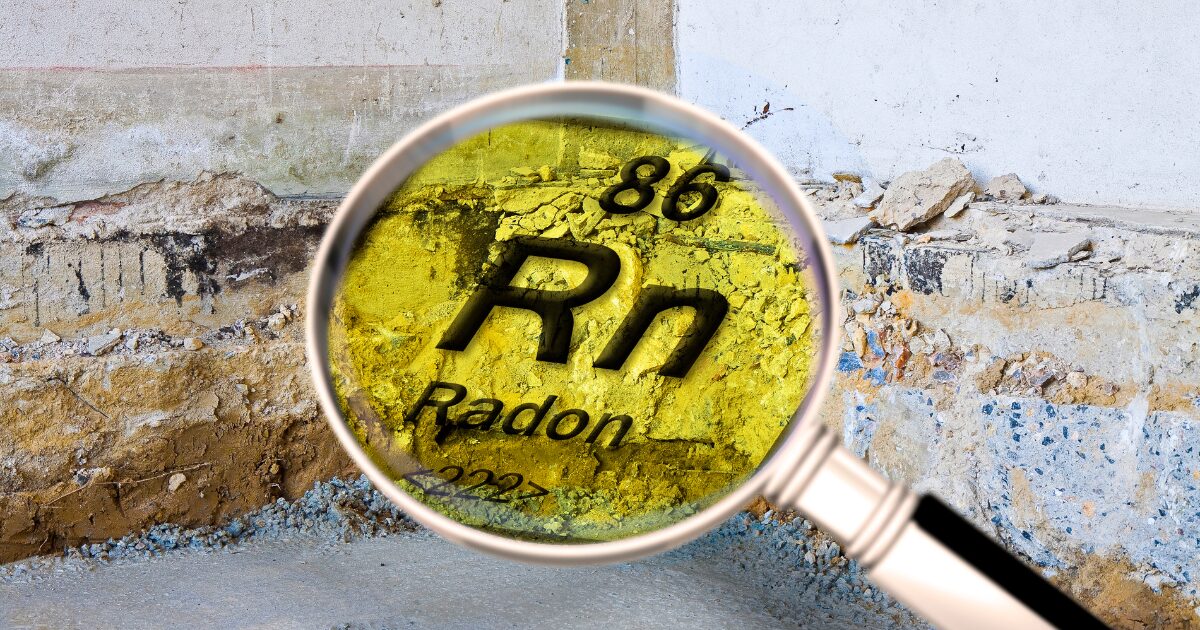
About one in 15 U.S. homes harbor dangerous radon levels, according to the Environmental Protection Agency (EPA). Radon is a naturally occurring radioactive gas that causes lung cancer. The EPA reports that around 21,000 people die every year from lung cancer caused by radon. That makes radon the leading cause of lung cancer among nonsmokers.
Read on to learn more about radon and how to protect your family.
How does radon harm people?
When radon gas decays, it forms radioactive particles. These particles collect in your lungs when you breathe. As they continue to break down, they release bursts of energy that damage your lung cells.
The damage from radon happens over time. People often go on for years unaware of their exposure to radon or the damage being done to their lungs.
According to MD Anderson Cancer Center, there are no warning signs specific to radon exposure. However, people often develop a cough that may be accompanied by blood. They may also develop breathing problems before being diagnosed with radon-related lung cancer.
Where does radon come from?
Radon is naturally present in the environment. Outside, radon does not pose a health hazard to people because it disperses into the atmosphere. But in buildings, it becomes trapped and concentrated.
Radon is generated when the uranium in soil, rock and water breaks down. It can enter homes and buildings through cracks and holes. Eventually, radon levels build up and become dangerous.
How can you limit your exposure?
Fortunately, you can control the level of radon in your home.
First, test your home. Because radon is colorless, odorless, tasteless and invisible, testing is the only way to determine the radon levels in your home. You can purchase a do-it-yourself radon test kit or hire a professional. Contact your state radon office for a list of radon testers in your area.
If your radon level is 4 picocuries per liter (pCi/L) or higher, mitigate your exposure. The EPA recommends hiring a qualified radon mitigator to assess your home and fix the problem. Mitigation may involve installing a soil suction system to pull radon out from the soil under your house and redirect it outside. You may also need to seal cracks in your walls, floors or foundation. A professional radon mitigator can pinpoint the problem areas and advise you.
After you’ve fixed the issue, retest your home. This will ensure it’s safe to occupy. If you have a soil suction system, the system may have a monitor that will tell you how well it’s working.
Retest your home every two years, and whenever you renovate or make structural home repairs. If you find high radon levels, ask your contractor about radon-resistant construction techniques.
Will your homeowners insurance cover radon mitigation?
If you have a radon problem, you’ll likely pay for testing and mitigation out of pocket. That’s because radon is considered a maintenance issue, and therefore preventable. Homeowners insurance doesn’t cover preventable issues. Home warranties don’t cover mitigation or testing, either.
According to Forbes Home, radon mitigation systems cost anywhere from $700 to $4,000, depending on the system and how it’s installed. If you’re considering selling your house, a properly installed radon mitigation system might be considered an upgrade to potential buyers.
Radon-related lung cancer is preventable
While you can’t avoid radon completely, you can reduce your exposure. In fact, the EPA says radon reduction systems can lower the radon level in your home by up to 99%. For the peace of mind, that’s a worthwhile investment.
This content is for informational purposes only and not for the purpose of providing professional, financial, medical or legal advice. You should contact your licensed professional to obtain advice with respect to any particular issue or problem.
Copyright © 2025 Applied Systems, Inc. All rights reserved.