

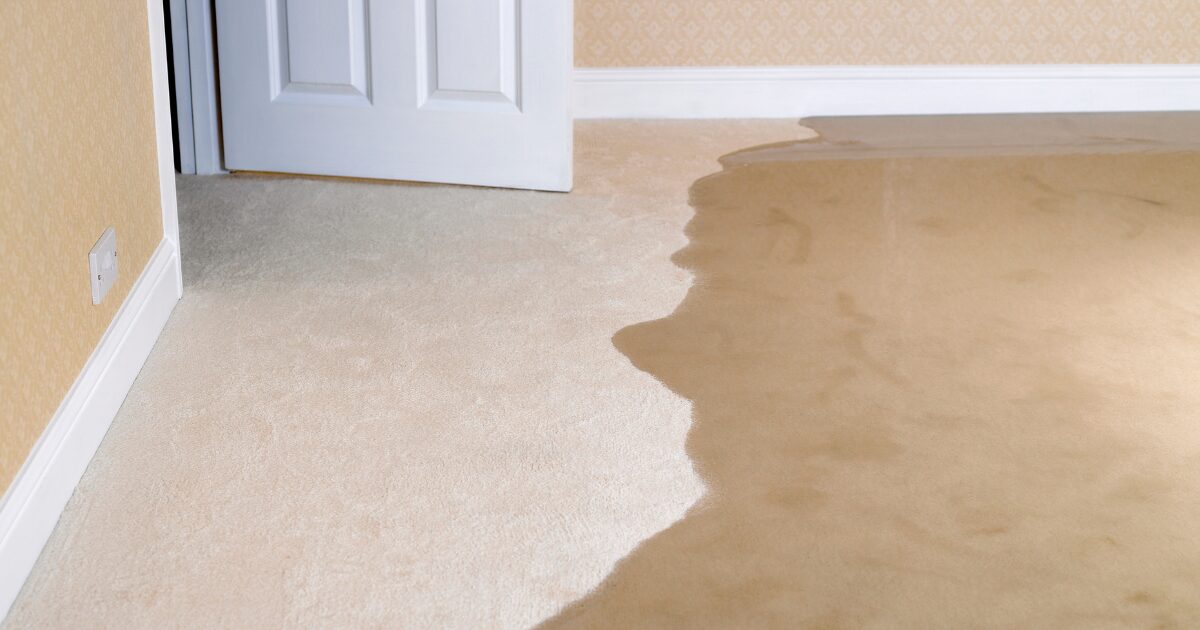
Translation? Floods aren’t just “water in your basement after a storm.” They can come from overflowing rivers, rapid runoff, mudflow, or even shoreline erosion. And here’s the key thing to remember: your policy covers the physical damage the flood causes — not just the inconvenience of it happening.
Do I Actually Need Flood Insurance?
Short answer: probably, yes — especially in a place like Buffalo.
Buffalo sits close to the Niagara River and Buffalo Creek, and gets hit with heavy rainfall and rapid ice melt every year. A few things worth knowing:
- Along Buffalo Creek alone, four ice jam flooding events since 2014 have caused roughly $820,000 in reported property damage, according to New York State’s Resilient NY flood mitigation program.
- Most creeks in the area have a documented history of repeat flooding.
- Nationally, nearly 29% of flood insurance claims from 2014-2024 came from outside officially designated high-risk zones — proof that “low risk” doesn’t mean “no risk.”
That last point matters most: living outside a “high-risk” flood zone doesn’t mean you’re flood-proof. And with our climate shifting, heavier rainfall events are only becoming more common.
What Does a Flood Policy Actually Cover?
A standard building policy covers:
- The insured building and its foundation
- Electrical systems
- Central air conditioning, furnaces, and water heaters
- Refrigerators, stoves, and built-in appliances (like dishwashers)
- Permanently installed paneling, wallboard, bookcases, and cabinets
- Permanently installed carpeting over an unfinished floor
- Window blinds
- Debris removal
Want extra protection for personal belongings or higher-value items? You can add supplemental coverage on top of the base policy.
How Can I Lower My Flood Risk?
A few practical moves that actually make a difference:
- Elevate your home’s structure(s) where possible — even a small lift helps.
- Install flood barriers and upgrade drainage systems around the property.
- Clear your gutters after leaves fall and before spring rains hit, so water isn’t backing up where it shouldn’t.
- Move valuables to higher ground inside the home to reduce water damage exposure.
Myth vs. Fact: Flood Edition
Myths, busted:
- “Floods only happen in low-lying areas like valleys.” Incorrect – flooding has multiple causes and isn’t limited to valleys.
- “Floodwater doesn’t have the same force as a river.” Actually, floodwater can carry serious pressure, especially when it’s funneled through concentrated pathways.
- “The government will cover everything after a flood.” Federal aid can help, but it’s limited — it’s not a substitute for insurance.
- “A sump pump fully protects my house from flooding.” Sump pumps remove excess water, but only from the specific area they’re installed in — and they need regular maintenance to keep working when you actually need them.
- “Floods only happen during storms.” Melting snow/ice, coastal flooding, and drainage failures can all cause flooding with zero storm involved.
Facts that matter:
- Meteorologists can often predict flood risk with enough accuracy to give homeowners a few days’ notice to prepare.
- Wetland restoration and smart floodplain zoning can meaningfully reduce flood risk — and help the environment while they’re at it.
- One inch of rain falling on just one acre of land can generate roughly 27,000 gallons of runoff.
- Between 2020 and 2024, the NFIP paid an average flood insurance claim of $63,691 — proof that even a “small” flood can carry a big price tag.
- In 2024 alone, the NFIP paid out more than $7.96 billion across over 101,000 flood insurance claims — making flooding one of the costliest natural disasters in the U.S. year after year.
Why Review Your Coverage
Your home is where you’ve built your life — and it only takes one heavy rainfall or ice jam to put thousands of dollars of damage on the table. Federal disaster aid has limits, which means the financial gap often lands on you. So ask yourself: is your home actually protected right now?
Flooding remains one of the costliest disasters homeowners face — but you don’t have to face it unprepared. Review your coverage now, before storm season ramps up, so you’re not scrambling after the water’s already in your living room.
Protect what you’ve built — talk to Walsh about flood coverage today.